Photography is light!
If you have bad light you'll have a bad photo, good lighting is key to having a beautiful image.
Light is directional and constantly traveling, sunlight also reflects the color is bounces off of!
Natural Reflector- something in the environment that the sun can bounce off of to reflect a clean white beacon into the clients face. Examples of this are a side walk, light colored gravel, stone, high grass, dead grass, dirt road.
Now why does green grass reflect clean white light? It doesn't, high green grass does. Short green grass reflects green, which is not the color we want bouncing into the subject face but long flowly green grass works different it creates wide soft light back into the clients face.
Types of light to avoid
Direct sun light- this is when the client is facing the sun and there isn't any shade. This causes squinty eyes, harsh shadows under eyes and nose. It highlights wrinkles and imperfections and its just uncomfortable for clients.
Split light- is when the client is in the shade but directly behind them is this harsh line then its sun. This light causes uneven exposure, its harder to edit, causes dark circles and muddy skin tones, plus it looks unprofessional.
Cheetah light- spots of light on the subjects(this is the worse light!) Uneven exposure, impossible to edit, uncomfortable for the subject, and super unprofessional.
Covered shade- this is when your under a heavy dark tree. This light causes dark circles under eyes, muddy skin tones, its harder to edit, and its unprofessional
LIGHT TO SHOOT IN!
Open shade
What is open shade? Open shade is when me(the photographer) and the subject are both in shade, but when we look up, we see the sky above us. This light is soft and gives you amazing skin tones and bright eyes!
Open sky- Open sky is when you a have a ton of sky in front of your client this creates a secondary fill light
Diffused back lighting- is where me and the subject are both in open shade, sunlight is coming through the tree and hitting the back of their heads. The subject is also placed in a sun spot which is the spots of sun on the ground coming through the tress. Now why would I want that? It creates visual interest, allows clients to pop off the background and frames the subject like a halo.
Direct back lighting- is when the photographer and the subject are both in the sun there is no shade. Subject is facing away from the sun. Isn't this too harsh?? Not for the skilled photographer it isn't. We know where to place the subject, we know what settings to use to soften the harshness of the sun and make this a dreamy photo.
Over cast- this is when the sound is out but a blanket or clouds are out hiding the sun and sky. This can be hard it can cause harsh shadows, raccoon eyes, and muddy skin tones. But not impossible at all. The photographer just has to know how to face the subject.
Last but not least inside a building or a home still outside natural light is best which is why it better to turn off the inside lights find the room with the biggest window, a room with light colored walls. Generally the best time to shoot inside is between 11-2
Golden Hour (The best time )
What the heck is golden hour?? Golden hour is the a hour or two after sun rise or a hour or two before sunset. This is the time that the sunlight will be softer then it is during the rest of the day. This is also the times you will find open shade all over. These times are the perfect time to capture stunning photos which is why Golden hour is the time I like to shoot if I can.
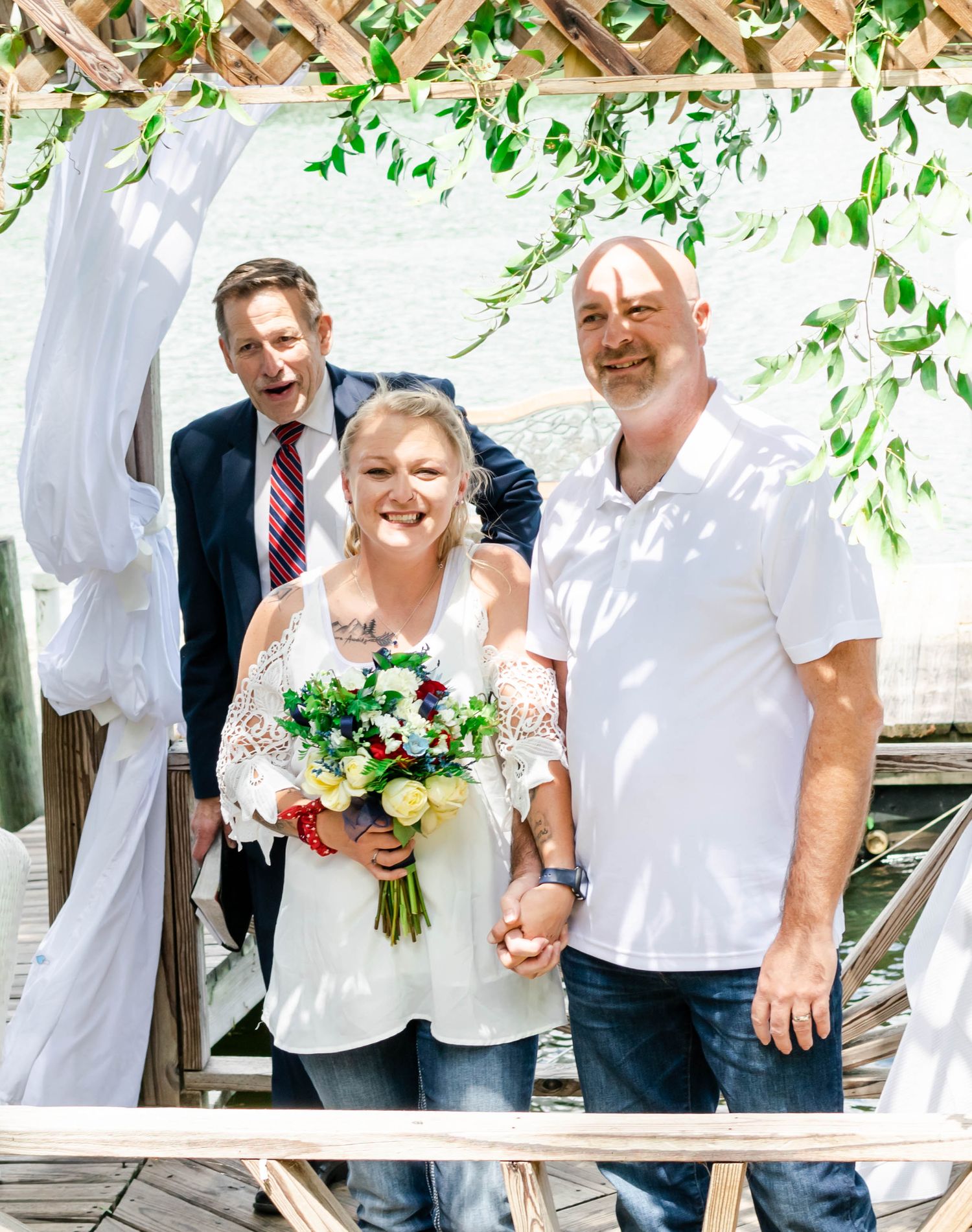
The Image above is a example of cheetah lighting(the worst light)
They still look lovely but this image could've been soo much better if it had better lightning. Sometimes lightning situations happen we have no control over and we must roll with it.
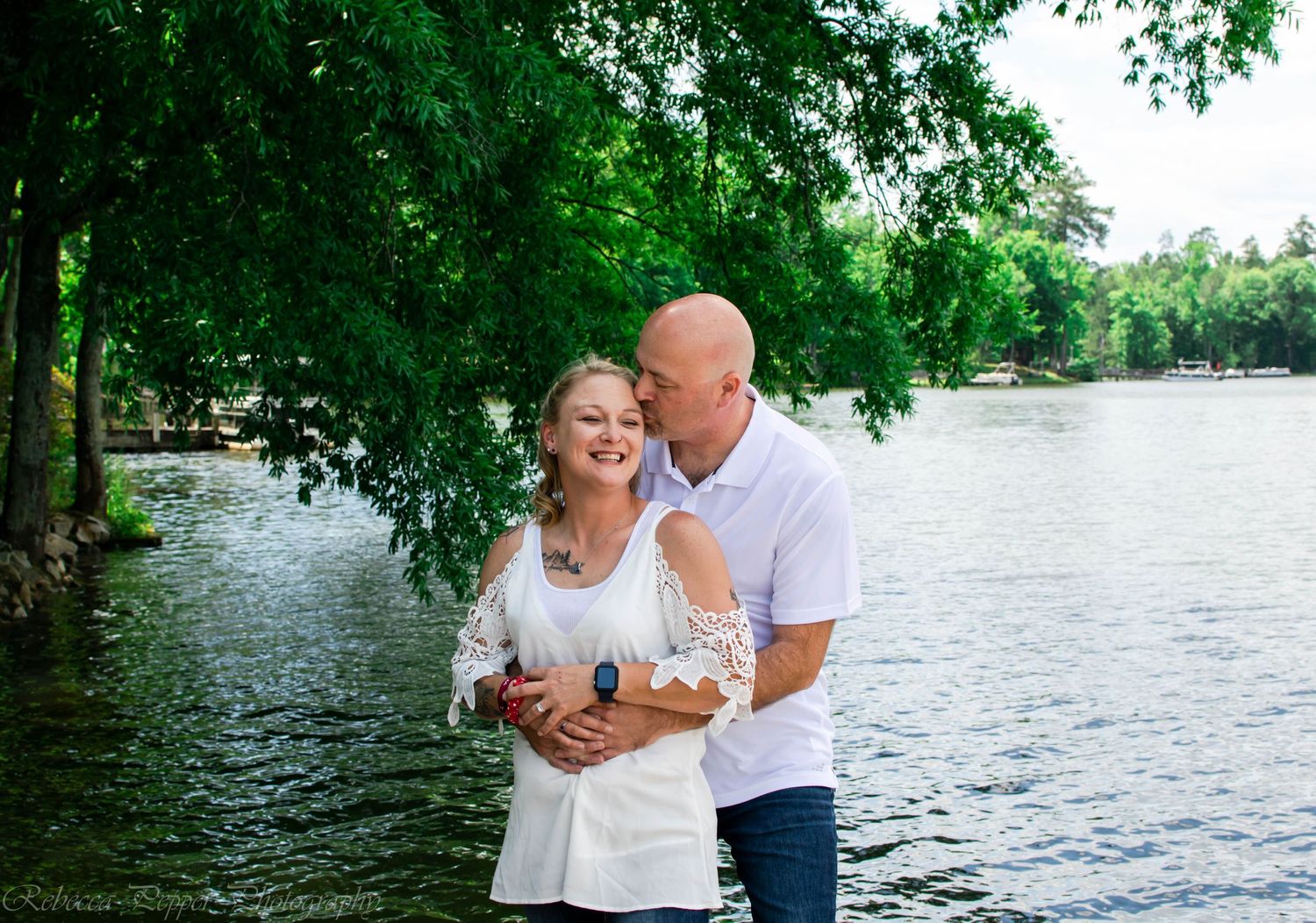
The image above is an example of open shade.
The light is beautiful!!! So the image is beautiful! Need I say more?